

About This Journal
-
Research Article
- The pet-related mobile application ecosystem in south korea: market structure and future perspectives
- Kangmin Park, Hyeyoung Jeong, Joohyeong Lee
- With the rising proportion of pet-owning households in South Korea and the spread of pet humanization and pet tech, the pet-related market …
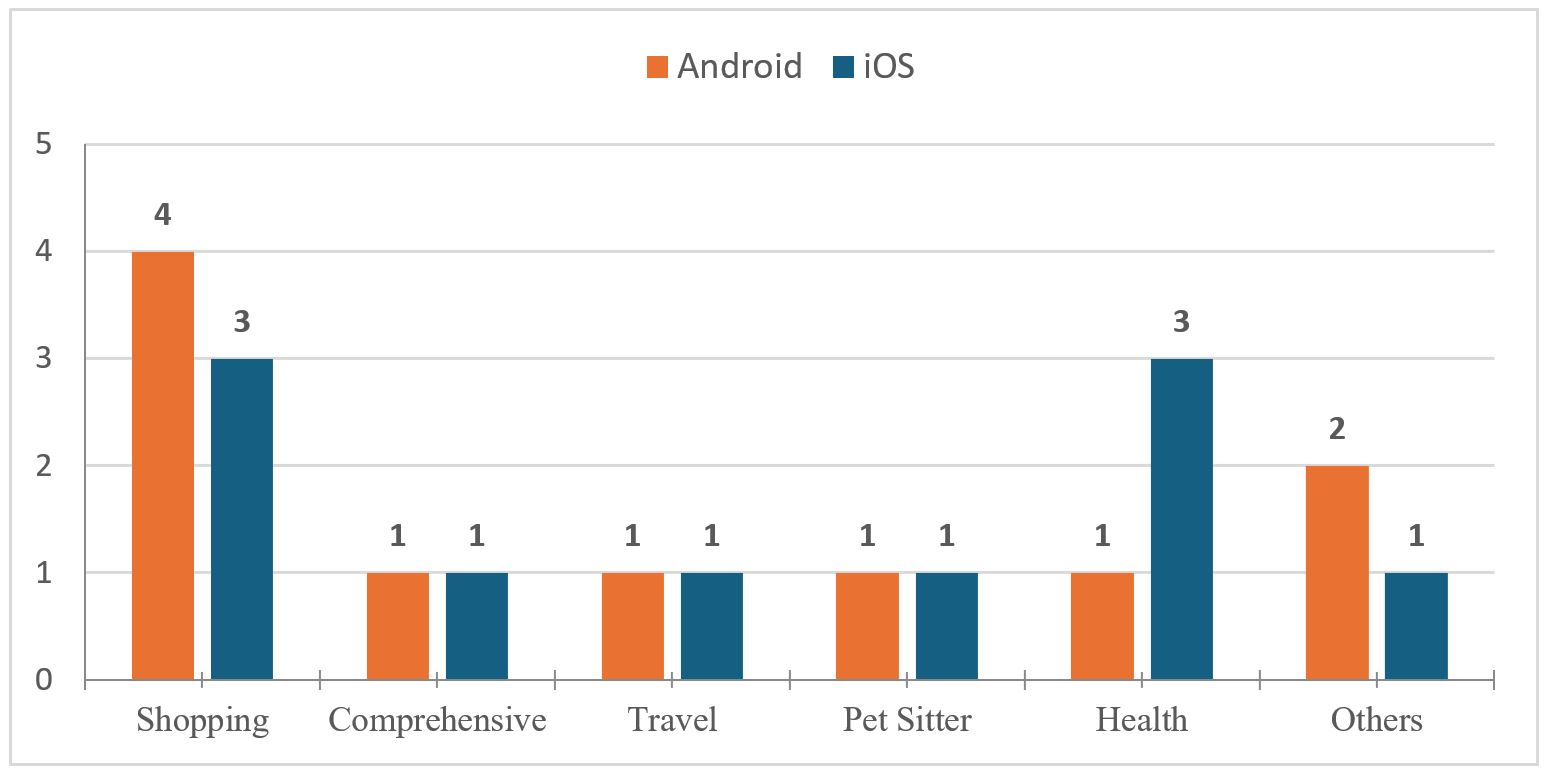
- With the rising proportion of pet-owning households in South Korea and the spread of pet humanization and pet tech, the pet-related market has grown rapidly; however, quantitative research on the mobile application market remains scarce. This study analyzed the current status of pet-related mobile applications in South Korea using publicly available metadata from Android and iOS as of March 2025. The top 15 Android apps by monthly active users, the top 10 most popular apps on each platform, and 13 device-integrated health management apps were examined in terms of category, user count, ratings, and release year, and the relationship between user count and ratings was tested using Spearman’s rank correlation analysis (α = 0.05). The results showed a concentrated, oligopoly-like structure in which the top three apps accounted for 52.2% of the users of the top 15 apps analyzed, with shopping representing the largest share. No significant correlation was found between user count and ratings (ρ = –0.13, p = 0.651), indicating that market share does not guarantee user satisfaction. Category distributions differed across platforms, with the health category holding a relatively higher share on iOS. The release-year distribution was analyzed separately using a sample of apps collected directly from the Google Play Store in July 2026. Based on this sample, new app releases declined after peaking in 2020–2021, coinciding with the popularization of generative AI. Device-integrated health management apps were classified into behavioral and emotional analysis, biosignal and diagnostic monitoring, and feeding and environmental management functions. These findings suggest that future app competitiveness may be determined by shopping integration and device-based personalized health management services rather than information provision, and that data privacy will become increasingly important. - COLLAPSE
-
Research Article
- Influences of semen extenders and seminal plasma during liquid storage in goat sperm
- Nahyeon Kang, Eunju Seok, Jaeuk Cho, Minwoo Sin, Chanjin Woo, Sang-Hee Lee
- Semen liquid storage is an essential technique for sperm transportation and the preservation of genetic resources for artificial insemination in the goat …
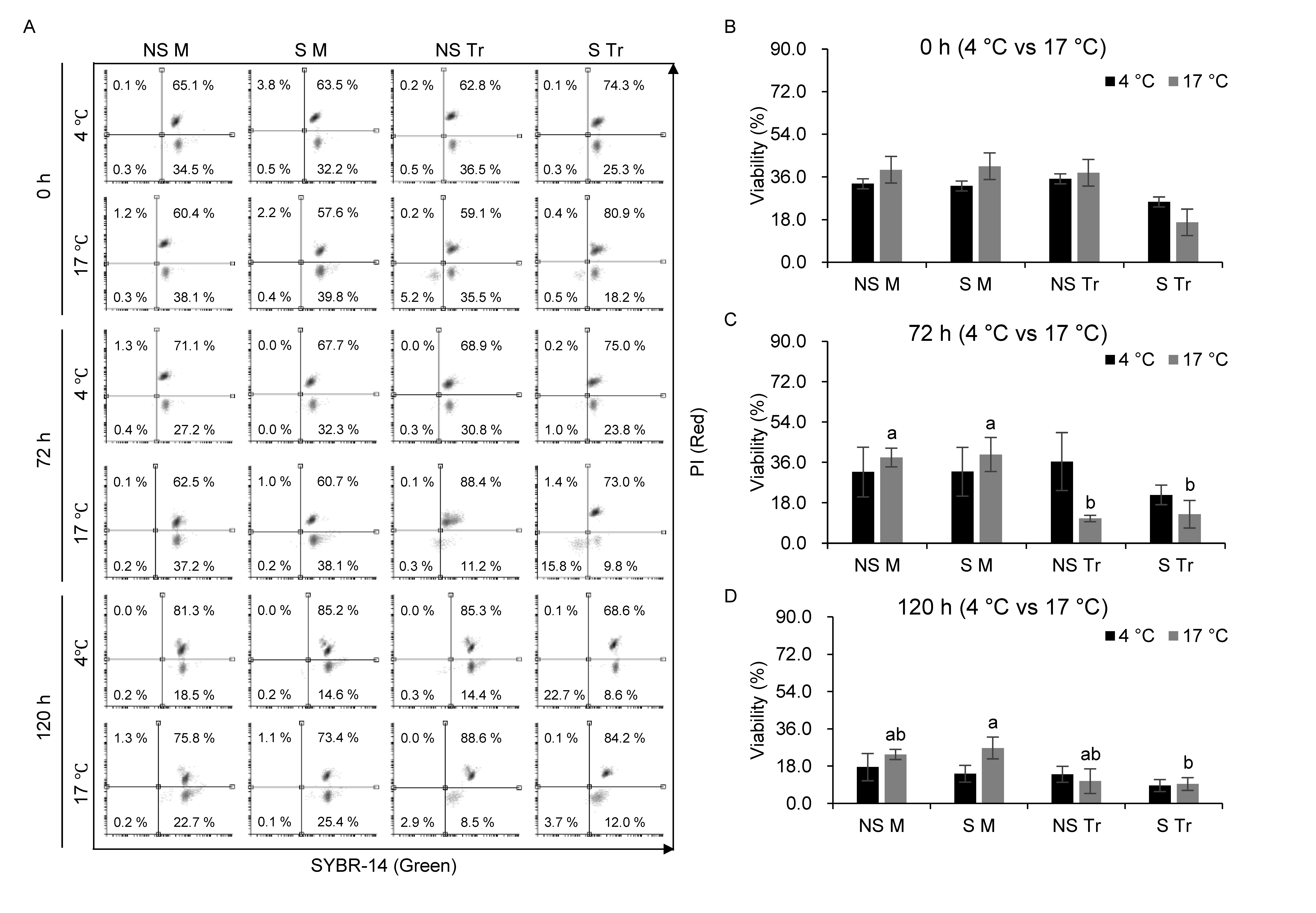
- Semen liquid storage is an essential technique for sperm transportation and the preservation of genetic resources for artificial insemination in the goat industry. Maintaining sperm quality during liquid storage is a decisive factor for successful artificial insemination. However, sperm function progressively declines during storage, and the effects of extender, seminal plasma, and temperature on this process remain poorly understood in goat sperm. This study investigated their influence during liquid storage. Semen from four bucks (10.2 ± 2.5 months) was diluted with Modena B (M) or Triladyl (Tr), with (S) or without (NS) seminal plasma, and stored at 4 and 17°C for 120 hours. The viability and acrosome reaction were analyzed by flow cytometry. Viability was significantly higher in Modena B groups (NS M and S M) than in Triladyl groups (NS Tr and S Tr) at 17°C after 72 hours (p < 0.05). The viability of the S M group was significantly higher than that of the S Tr group at 17°C after 120 hours (p < 0.05). The acrosome reaction was significantly higher at 17°C than at 4°C in the NS Tr group at 72 hours (p < 0.05). The acrosome reaction was significantly higher in Triladyl groups (NS Tr and S Tr) than in Modena B groups (NS M and S M) at 17°C after 72 and 120 hours (p < 0.05). In conclusion, the results provide fundamental knowledge regarding long-term liquid preservation techniques for artificial insemination using liquid-preserved goat sperm. - COLLAPSE
-
Research Article
- Drying-assisted valorization of mongolian sheep organ meats for pet food production
- Bayasakh Munkhtur, Buyanchimeg Baasanjargal, Bayarbat Ishvaanjil, Gurbazar Damdinsuren, Ulambayar Temuujin
- This study evaluated the nutritional composition, feeding performance, and palatability of hot-air dried dog foods formulated with Mongolian sheep heart and lung …
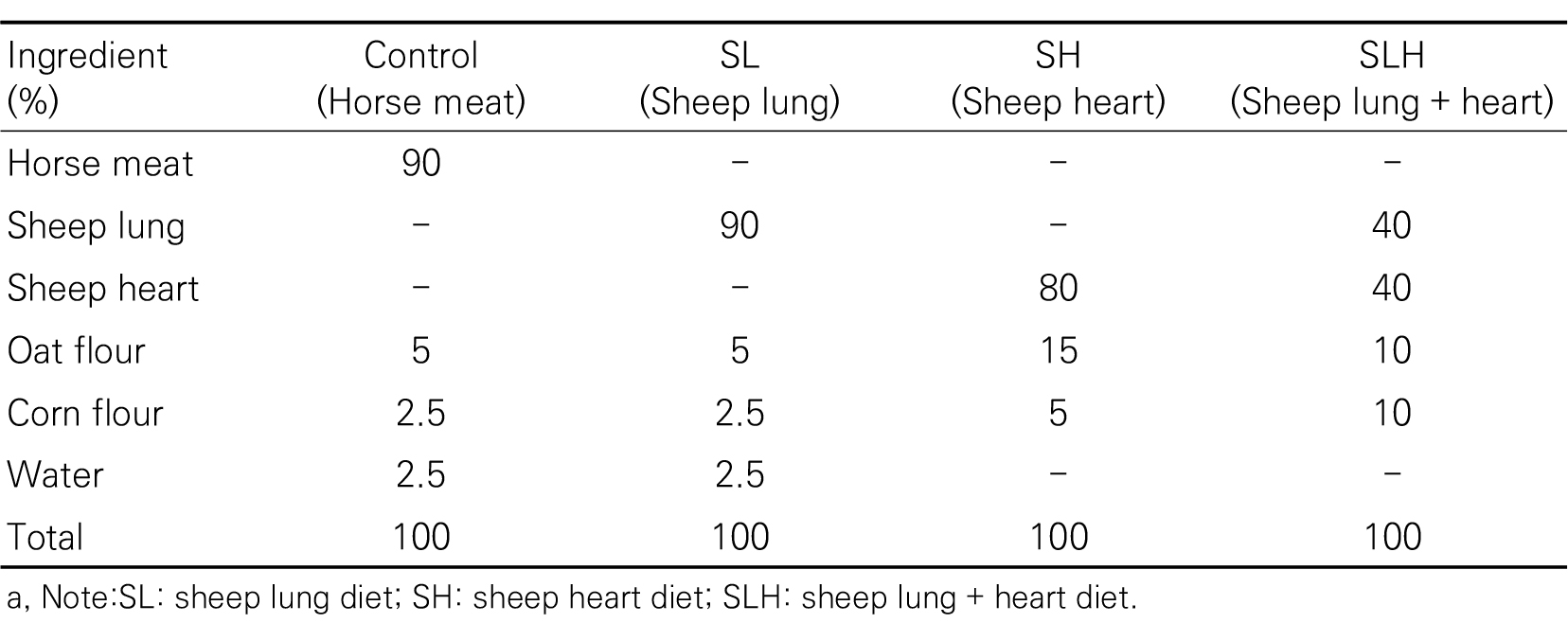
- This study evaluated the nutritional composition, feeding performance, and palatability of hot-air dried dog foods formulated with Mongolian sheep heart and lung as sustainable animal protein sources. Four diets were prepared: a horse meat-based control, sheep lung (SL), sheep heart (SH), and combined sheep lung–heart (SLH) formulations. Proximate composition, mineral content, and selected essential amino acids were determined, while feeding performance and palatability were evaluated in adult dogs using feeding and two-bowl preference assessments. The SH diet had the highest crude protein (42.3 ± 1.4%) and crude fat (15.6 ± 0.8%) contents, whereas the SLH diet contained 40.5 ± 1.1% crude protein. Moisture remained below 10% in all formulations. Iron and zinc concentrations were significantly higher in the SH diet than in the control (P < 0.05). Heart-containing diets also showed higher concentrations of essential amino acids, with lysine reaching 78.5 ± 2.6 mg/g protein in SH compared with 68.4 ± 2.1 mg/g protein in the control. Daily feed intake did not differ significantly among diets (238–250 g/day; P = 0.327). In contrast, palatability differed significantly (P < 0.001), with SH showing the highest two-bowl preference ratio (1.48 ± 0.16), followed by SLH (1.42 ± 0.15). These findings demonstrate that hot-air dried sheep heart and lung are nutritionally valuable and palatable ingredients for dog food, supporting the value-added utilization of livestock by-products. In conclusion, the use of sheep by-products as alternative protein sources may support the development of locally produced dog food and potentially reduce reliance on imported pet food products in Mongolia. - COLLAPSE
-
Research Article
- Potential to increase milk yield by feeding dairy cows a total mixed ration (Tmr)
- Otgonjargal Ayushjav, Sanjidsuren Oidovjunai, Shinekhuu Jugder, Purevsuren Pagam, Byamba Dondog, Rentsenkhand Jargalsaikhan, Solongo Narantuya, Togtokhbayar Norovsambuu
- This study was conducted to determine the effect of feeding dairy cows a total mixed ration (TMR) on milk yield and to …
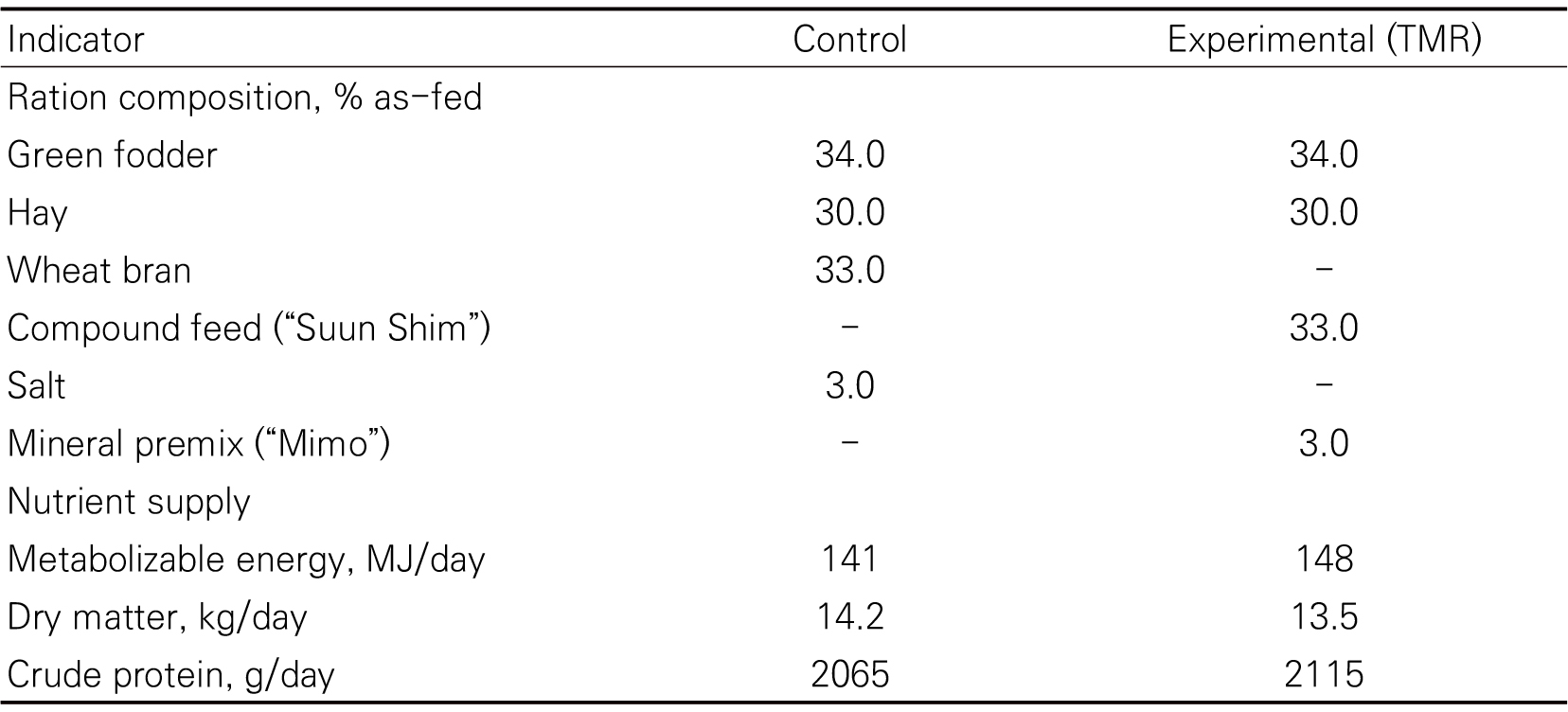
- This study was conducted to determine the effect of feeding dairy cows a total mixed ration (TMR) on milk yield and to evaluate its economic efficiency. Under small-scale farm conditions, locally available hay and green fodder accounted for 64% of the formulated ration by as-fed mass, while the ration was balanced with “Suun Shim” powdered compound feed and a mineral premix. The roughage ingredients were chopped to approximately 2 cm, thoroughly mixed with the remaining ingredients, and offered as a complete TMR. The cows consumed 94.3% of the prepared TMR, whereas feed intake in the control group, which received the farm’s conventional ration, was 88.1%. During peak lactation, milk yield in the TMR group increased from 8.13 to 15.60 L/day, while milk yield in the control group increased from 8.10 to 9.60 L/day. The increase from the beginning to the end of the trial was 7.47 L/day in the TMR group and 1.50 L/day in the control group, a difference of 5.97 L/day between groups. Milk chemical composition was assessed descriptively and was generally within or close to the applicable reference ranges. Based on monthly milk income and feed costs, estimated profit was MNT (Mongolian tugrug) 226,800 per cow in the control group and MNT 547,260 per cow in the TMR group. In conclusion, a locally prepared TMR based on available forage resources may increase raw milk productivity and improve feed-related profitability on small-scale dairy farms in Mongolia. - COLLAPSE
-
Research Article
- Nutritional, microbiological, and palatability evaluation of dry pet food formulated with dried mongolian horse liver and lung
- Bayasakh Munkhtur, Buyanchimeg Baasanjargal, Bayarbat Ishvaanjil, Gurbazar Damdinsuren, Ulambayar Temuujin
- This study evaluated horse liver and lung as locally available ingredients for dry dog food production in Mongolia. Fresh organs were trimmed, …
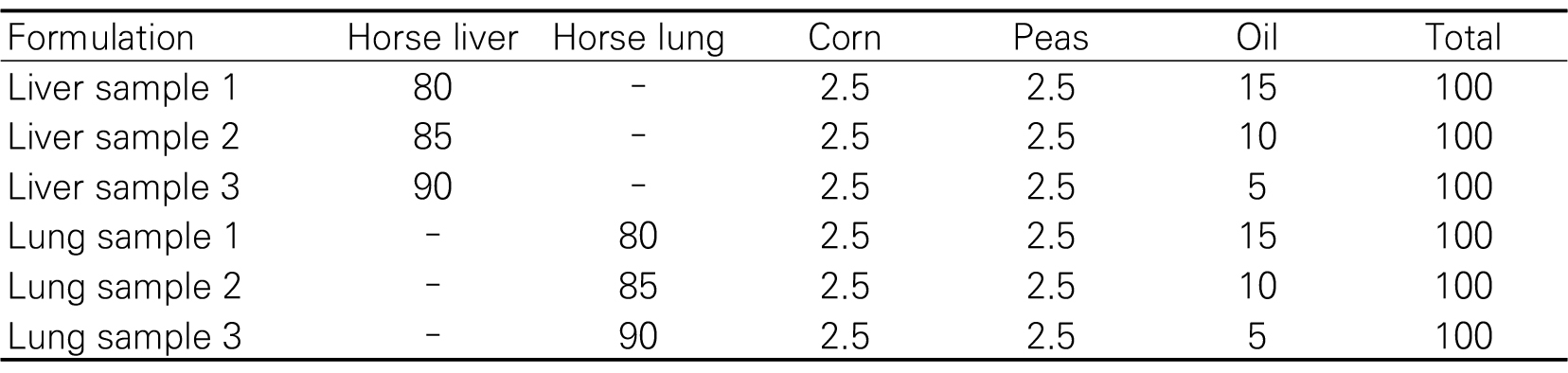
- This study evaluated horse liver and lung as locally available ingredients for dry dog food production in Mongolia. Fresh organs were trimmed, sliced, hot-air dried, ground, and incorporated into prototype foods. Drying reduced organ moisture from 41.2–48.2% to 7.5–8.2% and consequently concentrated crude protein, fat, ash, iron, and copper on an as-is basis. The dried liver and lung contained approximately 41.3–41.7% crude protein. Two selected products, formulated predominantly with liver or lung, had moisture contents of 7.1% and 7.5%, crude protein contents of 42.01% and 41.6%, and fat contents of 15.0% and 14.2%, respectively. Microbiological counts were 3 × 10² and 2 × 10² CFU/g, while Escherichia coli and molds were not detected using the reported procedures. In a feeding assessment with ten adult dogs, daily intake did not differ between the control and test foods (286.5 ± 18.4 vs. 292.8 ± 17.6 g/day; P = 0.438). In a two-bowl preference assessment, the test food accounted for 68% of first-choice observations and had greater reported consumption than the control food (186.4 ± 15.2 vs. 131.3 ± 17.8 g; P = 0.013). These findings indicate that dried horse organs can provide concentrated animal protein and acceptable palatability. However, the reported ash/mineral and energy values for the finished products require analytical verification because the proximate components do not satisfy mass-balance constraints. Amino acid adequacy, nutrient digestibility, long-term safety, and complete-diet status should therefore be established before commercial nutritional claims are made. - COLLAPSE
-
Research Article
- Effects of locally formulated complete feeds on nutrient utilization, growth performance, and feed margin of growing selenge cattle during winter feeding in mongolia
- Shinekhuu Jugder, Otgonjargal Ayushjav, Baljinnyam Bat-Ulzii, Togtokhbayar Norovsambuu
- This study evaluated three locally formulated complete compound feeds (CF1–CF3) fed with cultivated green forage to growing Selenge cattle during winter feeding …
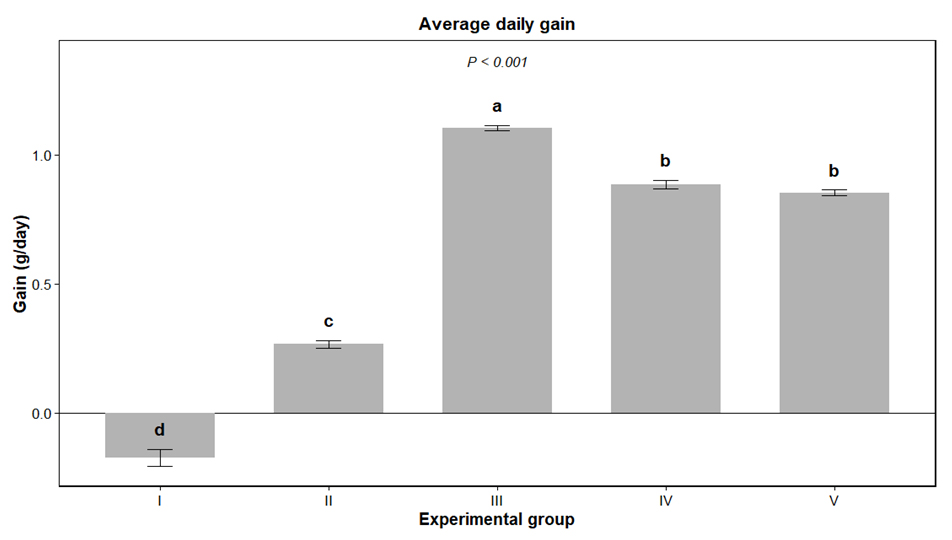
- This study evaluated three locally formulated complete compound feeds (CF1–CF3) fed with cultivated green forage to growing Selenge cattle during winter feeding in Mongolia. Twenty-five approximately 18-month-old male cattle were randomly assigned to five groups (n = 5): pasture grazing (C1), conventional farm feeding (C2), and three experimental groups receiving 6 kg/day of green forage plus 3 kg/day of complete feed (E1–E3). After a 14-day adaptation period, the feeding trial lasted 60 days. Feed intake, apparent total-tract nutrient digestibility, body-weight change, and provisional feed margin were evaluated. Complete feeds contained 19.35–21.65% crude protein and 38.20–46.12% NDF, while green forage contained 14.33% crude protein and 63.18% NDF. Complete-feed intake reached 100%, and green-forage intake was 95.88–96.58% in E1–E3 and 91.05% in C2. Initial body weight did not differ among groups. E1 achieved the greatest final body weight (349.26 ± 0.96 kg), live-weight gain (66.19 ± 0.52 kg), and ADG (1.105 ± 0.011 kg/day). E1 also showed the highest apparent digestibility of organic matter, crude protein, crude fat, and crude fiber. Using feed offered and an assigned value of 25,000 MNT/kg incremental live-weight gain, E1 produced the highest provisional feed margin (1,125,550 MNT/animal). These findings identify CF1 as the most promising of the tested formulations, while the pasture comparison should be interpreted cautiously because grazing and individual-feeding management were confounded. - COLLAPSE
-
Review Article
- Aromatherapy for improving canine health and welfare: mechanisms of action, behavioral effects, and clinical applications
- Jung-Whan Chon, Kun-Ho Seo, Dong-Rak Choi, Su-Jin Kim, Beong-Suk Kim, Seokhee Ryu, Hyun-Ju Kim, Hyeon A Jung, Kwang-Young Song
- Dogs possess a highly developed olfactory system, making olfactory stimulation an important regulator of behavior, emotion, and physiological responses. As interest in …
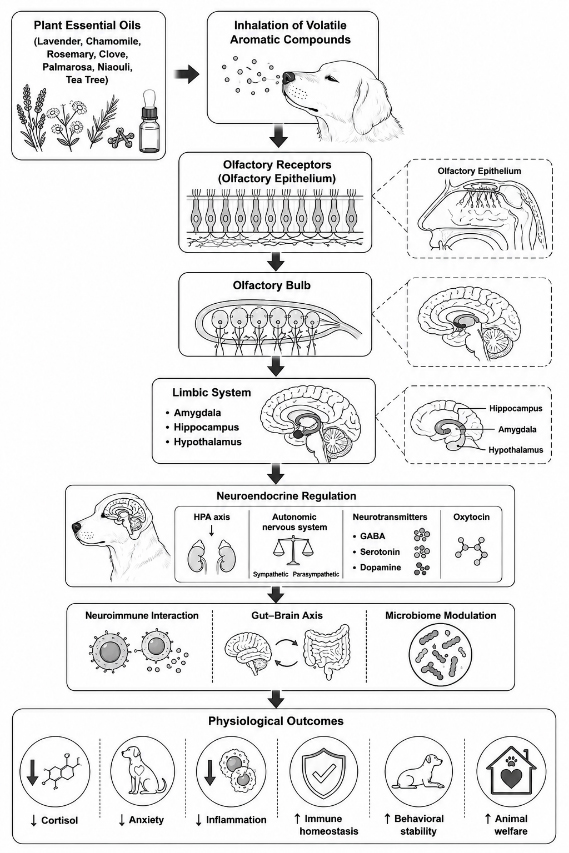
- Dogs possess a highly developed olfactory system, making olfactory stimulation an important regulator of behavior, emotion, and physiological responses. As interest in companion animal welfare has grown, aromatherapy has emerged as a complementary approach for improving canine physical and psychological health through plant-derived essential oils. This review summarizes the mechanisms, behavioral effects, and clinical applications of aromatherapy in dogs. Commonly studied essential oils include lavender (Lavandula angustifolia), chamomile (Matricaria chamomilla), rosemary (Rosmarinus officinalis), clove (Syzygium aromaticum), palmarosa (Cymbopogon martinii), niaouli (Melaleuca quinquenervia), and tea tree (Melaleuca alternifolia). These essential oils possess anxiolytic, antimicrobial, anti-inflammatory, antioxidant, and immunomodulatory properties. Experimental and clinical studies suggest that aromatherapy may reduce stress-related behaviors, alleviate transportation and separation anxiety, and improve welfare in veterinary clinics, shelters, and home environments. In addition, several essential oils show potential benefits in the management of dermatological disorders, otitis externa, wound healing, chronic inflammatory conditions, and age-related diseases. Emerging evidence indicates that aromatherapy may influence the hypothalamic-pituitary-adrenal axis, neuroimmune regulation, and the gut-brain axis. However, current evidence remains limited by small sample sizes, methodological variability, insufficient standardization, and inadequate safety data. Future studies should focus on large-scale controlled clinical trials, precision aromatherapy, microbiome-related mechanisms, wearable biosensors, and artificial intelligence-based behavioral monitoring. In conclusion, aromatherapy is a promising complementary strategy for improving canine health and welfare. Further scientific validation may establish its role as an evidence-based component of integrative veterinary medicine within the One Health framework. - COLLAPSE
-
Review Article
- Program components and research design characteristics of companion animal-assisted interventions for children in korea
- Eun Kyung Kang, Cheol Won Kang
- This review examined program components and research design characteristics of companion animal-assisted interventions for children. Relevant studies were reviewed with a focus …
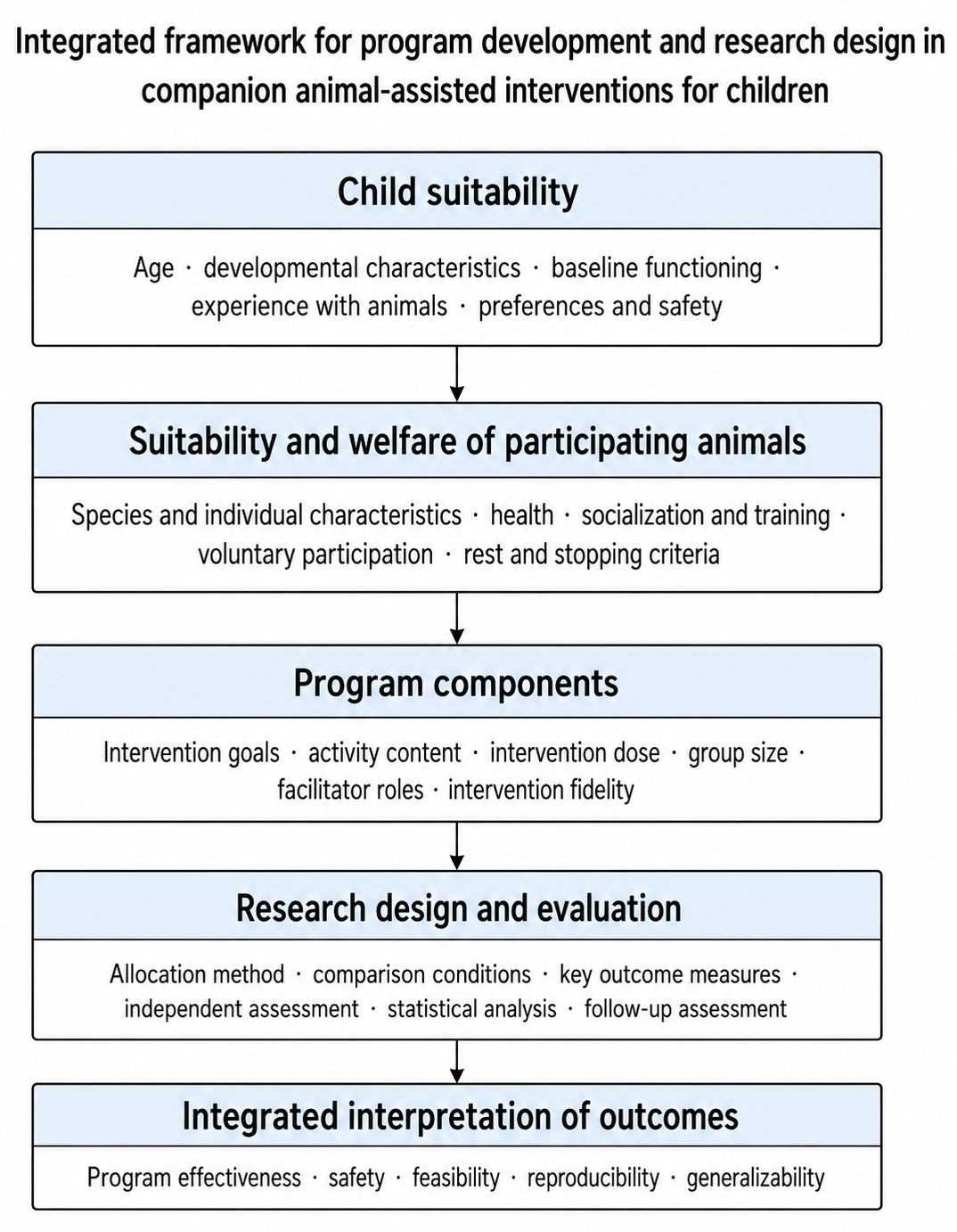
- This review examined program components and research design characteristics of companion animal-assisted interventions for children. Relevant studies were reviewed with a focus on participant and animal characteristics, intervention activities, session structure, facilitator roles, and outcome assessment. The reviewed programs involved children with diverse developmental characteristics and primarily used dogs, although rabbits and cats were also included. Considerable differences were found in intervention duration, activity structure, child–animal contact, comparison conditions, and assessment methods. Small samples, limited independent assessment, and insufficient follow-up further restricted comparison and interpretation. Future studies should clearly report participant suitability, animal characteristics and welfare, intervention goals, actual intervention dose, facilitator composition, and assessment procedures. Standardized reporting may improve the safety, reproducibility, and comparability of companion animal-assisted intervention research. - COLLAPSE
-
Review Article
- High-oleic soybean cultivar ‘Hosim’: a comparative review of fatty acid composition, oxidative stability, nutritional properties, food processing, and potential applications in the dairy industry
- Hyeon A Jung, Gyu-ri Kim, DaEun Jung, Kyung-Hyo Do, Su-jin Bae, Hansol Koo, Jeong-Dong Lee, Jung-Whan Chon, Kun-Ho Seo, Kwang-Young Song
- Soybean (Glycine max L.) is a major source of plant protein and edible oil worldwide. Conventional soybean oil contains relatively high …
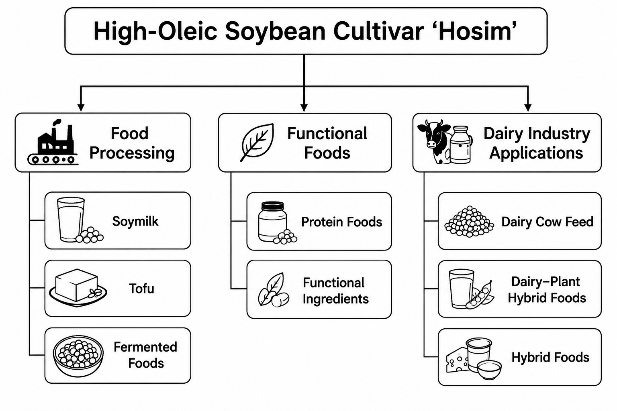
- Soybean (Glycine max L.) is a major source of plant protein and edible oil worldwide. Conventional soybean oil contains relatively high levels of linoleic and α-linolenic acids but moderate levels of oleic acid, making it susceptible to oxidative deterioration during storage and thermal processing. High-oleic soybean cultivars have been developed through conventional breeding, primarily by modifying the FAD2 genes, to improve oxidative stability and processing quality. Hosim, a high-oleic soybean cultivar developed at Kyungpook National University, is considered a promising domestic cultivar for food and industrial applications. This review compares Hosim with conventional soybeans in terms of fatty acid composition, oxidative stability, nutritional properties, food processing characteristics, and potential applications in the dairy industry. Because PubMed-indexed studies specifically evaluating Hosim are currently unavailable, the review is based on published evidence for high-oleic soybean cultivars. Compared with conventional soybeans, high-oleic soybean cultivars generally contain more than 70% oleic acid and lower levels of linoleic and α-linolenic acids, resulting in improved oxidative, thermal, and storage stability. Clinical studies suggest that the health effects of high-oleic soybean oil depend on the dietary fat source being replaced, while dairy nutrition studies indicate potential improvements in milk fatty acid composition and milk fat production. High-oleic soybeans also show potential for applications in soymilk, tofu, fermented soybean products, plant-based beverages, dairy cow feed, and dairy–plant hybrid foods. Although the high-oleic trait offers technological and nutritional advantages, direct scientific evidence for the Hosim cultivar remains limited. Further studies are required to validate its physicochemical properties, health effects, food processing characteristics, and dairy applications, thereby supporting its industrial utilization as a functional food ingredient. - COLLAPSE
-
Review Article
- Evaluation of the emotional and social effects of companion animal-assisted interventions for children in korea
- Bok Taek Kim
- This review evaluated the emotional and social effects reported in Korean animal-assisted intervention studies involving children and examined methodological factors affecting the …
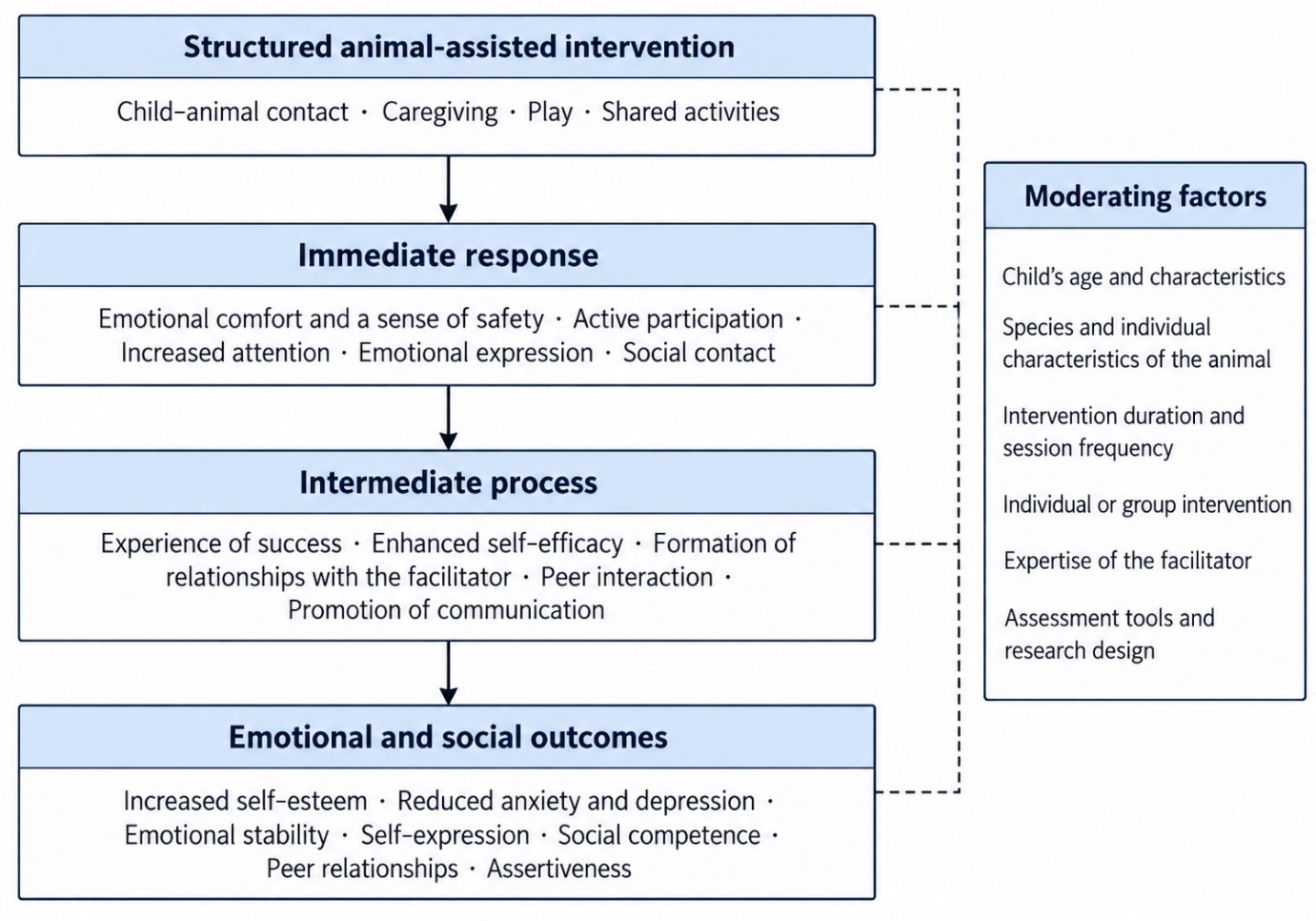
- This review evaluated the emotional and social effects reported in Korean animal-assisted intervention studies involving children and examined methodological factors affecting the interpretation of the findings. Korean original studies and relevant reviews involving direct interactions between children and companion animals, including dogs, rabbits, and cats, were examined. The principal outcomes included self-esteem, ego-resiliency, emotional stability, peer relationships, cooperation, assertiveness, and interpersonal relationships. Characteristics of the participants, animals, intervention structure, outcome measures, control conditions, and follow-up assessments were also considered. Positive changes were reported relatively consistently for self-esteem and selected domains of social functioning. Improvements in peer relationships, cooperation, assertiveness, and interpersonal relationships were also observed in several studies. However, changes in total sociality scores were not always consistent with changes in individual subdomains. Evidence regarding anxiety, depression, and sustained emotional stability remained limited. Interpretation was further restricted by small samples, single-group pre–post designs, non-blinded assessments, heterogeneous outcome measures, and insufficient follow-up evaluations. Overall, animal-assisted interventions may support self-esteem and selected interpersonal and social skills in children. Nevertheless, the current evidence should be interpreted as promising rather than conclusive because the independent contribution of animal participation has not been sufficiently established. Future studies should employ adequately powered samples, active comparison groups, standardized core outcomes, independent assessors, long-term follow-up, and explicit animal welfare criteria. - COLLAPSE
-
Review Article
- In vitro embryo production in cattle: technology, determinants of efficiency, and applications in breeding
- Baasanjav Batmunkh, Enkhbolor Barsuren
- In vitro production (IVP) has become the dominant embryo technology in cattle. Global records show that more than two million transferable IVP …
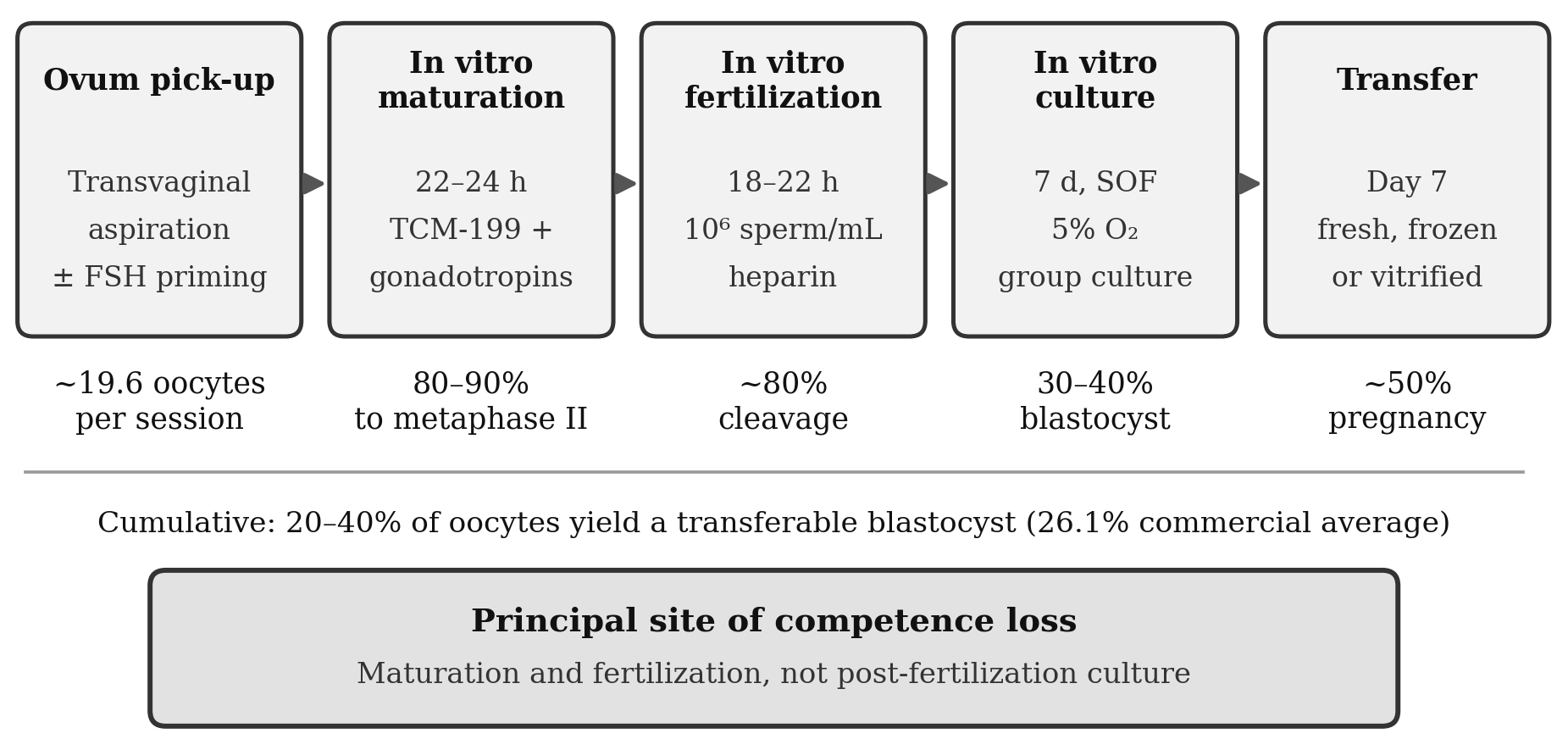
- In vitro production (IVP) has become the dominant embryo technology in cattle. Global records show that more than two million transferable IVP embryos were produced in 2024, over sevenfold the number recovered by superovulation and approximately 87% of all bovine embryo activity. This review summarizes the technology stage by stage ovum pick-up (OPU), in vitro maturation (IVM), in vitro fertilization (IVF), in vitro culture (IVC), and cryopreservation and transfer and evaluates the factors that determine its outcome. Approximately 80–90% of oocytes reach metaphase II and about 80% cleave, yet only 20–40% yield a transferable blastocyst and roughly half of transferred embryos establish a pregnancy. Environment partitioning experiments indicate that competence is lost principally during maturation and fertilization rather than during culture. Donor antral follicle count and anti-müllerian hormone, subspecies, sire identity, laboratory conditions and recipient receptivity each contribute substantial variance. IVP embryos differ from in vivo counterparts in lipid content, transcriptome, epigenome and chromosomal integrity, with consequences for cryotolerance and pregnancy maintenance. Applications in breeding are considered, including compression of the generation interval through juvenile OPU, integration with genomic selection and sexed semen, and conservation of indigenous genetic resources. Emerging approaches biphasic maturation, oviduct-mimetic culture, morphokinetic selection and stem cell based in vitro breeding are reviewed with attention to the strength of the supporting evidence. - COLLAPSE
-
Review Article
- Endocrine context and chemotherapy response in endometrial cancer: interfaces with endometrial receptivity and microenvironment remodeling
- Baasanjav Batmunkh, Enkhbolor Barsuren
- Endometrial cancer arises in a hormonally responsive tissue, but the evidence directly linking endocrine state to cytotoxic drug sensitivity remains fragmented. This …
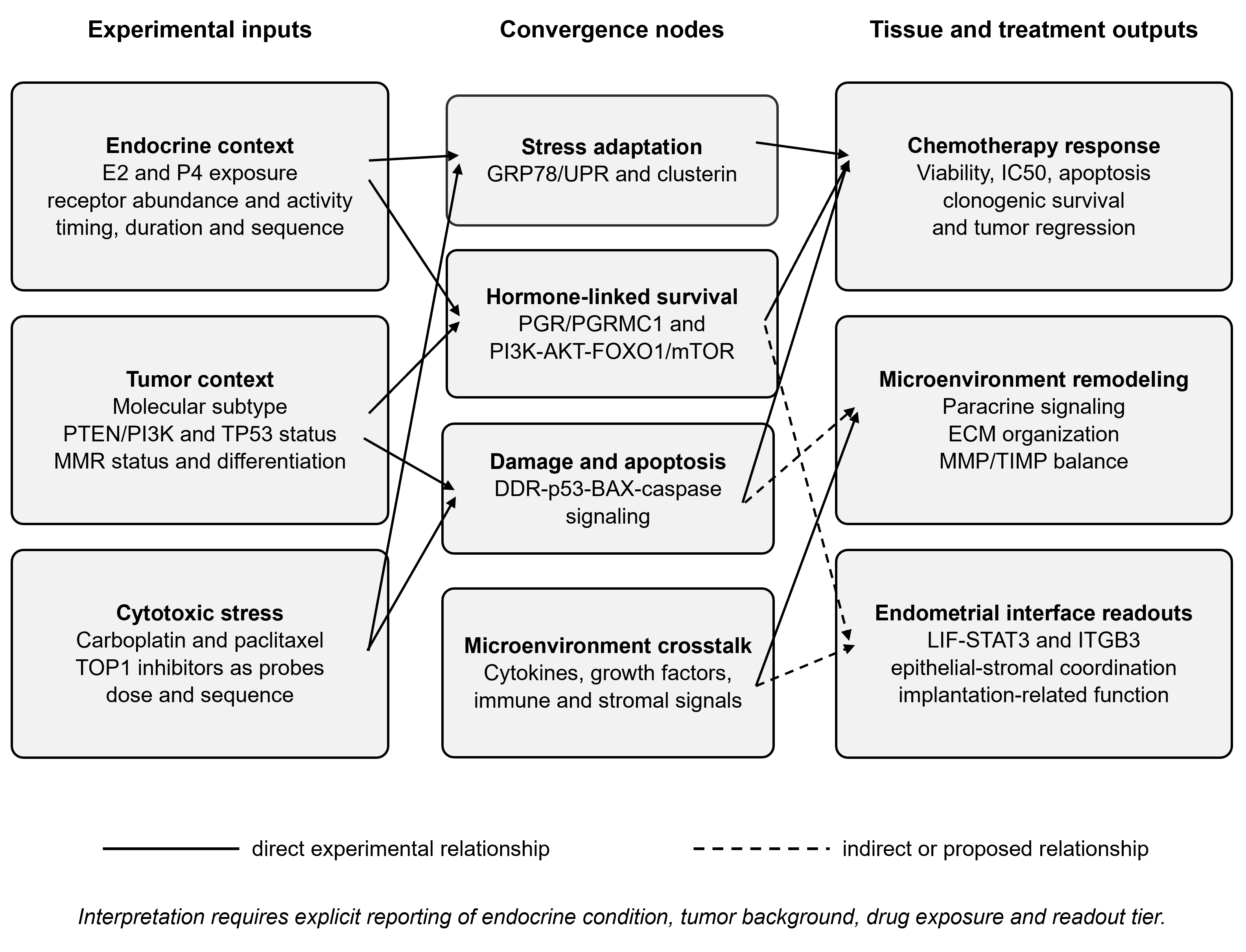
- Endometrial cancer arises in a hormonally responsive tissue, but the evidence directly linking endocrine state to cytotoxic drug sensitivity remains fragmented. This narrative review critically integrates studies of estrogen and progesterone-associated signaling, chemotherapy response, endometrial receptivity, and tumor microenvironment remodeling. A focused PubMed search through 5 August 2026, restricted to peer-reviewed, full-text, English-language reports of endometrial tissue or endometrial carcinoma, was used to identify original studies and key reviews, and the evidence was classified as direct, indirect mechanistic, physiologic comparator, or model-development evidence. Direct experimental studies indicate that estrogen-induced glucose-regulated protein 78 (GRP78) and clusterin can reduce sensitivity to paclitaxel or cisplatin, progesterone receptor membrane component 1 (PGRMC1) can support resistance to doxorubicin and carboplatin-paclitaxel, and AKT-forkhead box O1 (FOXO1) signaling can modify chemotherapy-induced apoptosis. More recent work further suggests that MYH14-dependent Wnt signaling can jointly affect responsiveness to carboplatin, paclitaxel, and progesterone. By contrast, evidence specifically combining endocrine conditioning with camptothecin or other topoisomerase I (TOP1) inhibitors in endometrial cancer is limited; these agents are therefore better treated as mechanistic probes than as clinical anchors. Normal receptivity pathways, including leukemia inhibitory factor (LIF)-STAT3 signaling, integrin beta 3 (ITGB3), and matrix metalloproteinase (MMP)/tissue inhibitor of metalloproteinases (TIMP)-mediated remodeling, provide a useful physiologic comparator but should not be interpreted as validated surrogates of tumor drug response. The review is narrative rather than systematic, and most direct evidence still derives from a small number of two-dimensional cell lines. Future studies should use molecularly characterized models, clinically relevant drug schedules, and tiered readouts that connect intracellular stress signaling with stromal, extracellular-matrix, and tissue-interface outcomes. - COLLAPSE

 Journal of Humanimal Sciences